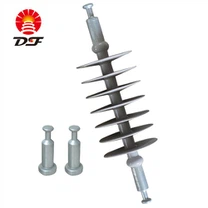
In the process of power transmission, the insulator plays an important role in ensuring the normal operation of the transmission line and improving the safety and stability of the transmission line. With the increase of transmission lines and the actual need for safety and stability of transmission lines, the demand for transmission line insulators is gradually rising. In order to meet the actual needs of transmission lines and improve the performance of transmission line insulators, it is necessary to have a deeper understanding of the use of insulators. Based on this analysis, we should carefully analyze the classification of insulators in the transmission line, as well as the technical requirements of the transmission line for the insulator, and figure out the precautions for the use of the transmission line insulator, to ensure that the role of the insulator in the transmission line is fully played.
1. Mechanical properties
The mechanical strength of the insulator includes tensile strength, compressive strength, bending resistance, mechanical impact resistance and residual strength, etc. Only by meeting the above basic mechanical performance indicators can the insulator meet the working needs of the transmission line in the work, meet the needs of the safety and stability of the transmission line, and improve the overall stability of the transmission line.
2. Electrical performance
The electrical performance of the insulator refers to that it is not broken down under a certain overvoltage (power frequency voltage, operating overvoltage, lightning overvoltage) to ensure the safe operation of the transmission line. Since the insulator is working in the transmission line, the electrical performance is an important indicator to measure whether the insulator can meet the working needs. Based on this consideration, the electrical performance of the insulator must meet the target of not being broken down under overvoltage.
3. Heat engine performance
Considering that the working condition of the insulator is relatively harsh, in addition to the normal state, but also to withstand freezing, heat, high temperature and high pressure and other states, which requires the insulator to have a strong thermal engine performance, in order to meet the actual work needs of the insulator.
4. Insulator anti-deterioration performance
Insulator under high voltage field strength, mechanical load and atmospheric action for a long time, its electrical performance and mechanical carrying capacity continue to decline over time, and gradually lose insulation performance and mechanical carrying capacity. Therefore, it is necessary to stipulate the anti-deterioration performance of the insulator, ensure that the anti-deterioration performance of the insulator meets the actual needs, achieve the purpose of improving the working performance of the insulator, and improve the anti-deterioration ability of the entire insulator.