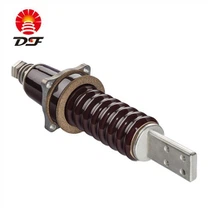
With the precise classification of power detection, the demand for insulator fault detection by power companies is higher and higher, and insulator fault detector products are used more and more frequently in power companies, but there are many kinds of insulator faults, such as low value, zero value, damage, reduced hydrophobicity, etc. what faults do insulator fault detectors detect?
Low value / zero value fault: it mainly occurs in the disc insulator. The low value and zero value formed due to its own quality defects, lightning stroke, aging and other reasons can be measured by the insulator resistance tester series products to determine whether it is a low value or zero value insulator.
Hydrophobicity drop: it mainly occurs in composite insulators. The hydrophobicity index can intuitively show the aging level of composite insulators. Insulators with poor hydrophobicity are easy to cause pollution flashover in wet weather, affecting the safe operation of power lines. The hydrophobicity level of insulators can be effectively detected by using insulator hydrophobicity tester products, which plays a good reference for line maintenance.
Internal crack and damage: it mainly occurs in the post insulator. The insulator flaw detector can effectively detect the crack, inclusion, air hole and other pollution flashover and abnormal discharge in the porcelain post insulator. It mainly occurs in the disc insulator and composite insulator, which can be detected by the insulator hairiness detector and salt density and ash density tester. Both can stop the detection of pollution flashover and abnormal discharge of the insulator, Among them, insulator salt density and ash density tester products are also widely used in the annual spring inspection of overhead lines of power companies.